
By Attorney Martin Schmidt – April 2025
Sexual abuse in juvenile detention facilities remains an alarming reality, with juvenile detention sexual abuse lawyers seeing hundreds of cases each year across the United States.
Recent studies indicate that youth in detention face significantly higher risks of sexual victimization compared to the general population, creating lasting trauma that affects survivors well into adulthood.
Importantly, legal options exist for survivors seeking justice and accountability. Our team of specialized attorneys work specifically with juvenile detention abuse cases, understanding both the complex legal framework and the sensitive nature of these situations. We help survivors navigate their rights, pursue compensation, and hold perpetrators and institutions accountable for their actions.
This comprehensive guide examines the crisis of sexual abuse in juvenile detention, outlines available legal protections, and explains how our specialized lawyers support survivors through the justice process. Whether you’re a survivor, family member, or advocate, you’ll find crucial information about legal rights, compensation options, and steps toward seeking justice.
Our dedicated team of attorneys from Schmidt National Law Group can play a critical role in helping young abuse survivors seek justice for the harm that has been done to them. We help victims navigate the legal system and ensure that their rights are protected.
If you or someone you love is a survivor of abuse in any juvenile detention centers in any state, we encourage you to take action now, we intend to hold them responsible for the pain and suffering that occurred at their facilities. Use the 100% Secure intake form above, or call us direct at 1-800-631-5656.
The Crisis of Sexual Abuse in Juvenile Detention
The alarming scope of sexual victimization in juvenile detention facilities represents a profound failure of the systems designed to rehabilitate young offenders. Recent data paints a disturbing picture of widespread abuse that continues despite reform efforts and federal legislation.
Current Juvenile Statistics and Scope of the Problem
The prevalence of sexual abuse in juvenile detention has increased dramatically in recent years. Juvenile correctional administrators reported 2,467 allegations of sexual victimization in 2018, representing an 89% increase from the 1,306 reported in 2013. This troubling upward trajectory suggests not just better reporting but potentially worsening conditions within these facilities.
From 2007 to 2012 alone, nearly 9,500 allegations of sexual victimization were reported across state, local, and private juvenile facilities. During this period, administrators documented approximately 2,750 allegations of nonconsensual sexual acts, 2,463 allegations of abusive sexual contact, 3,617 allegations of staff sexual misconduct, and 664 allegations of staff sexual harassment.
Consequently, the rate of reported incidents has more than doubled in state juvenile systems, rising from 19 per 1,000 youth in 2005 to 47 per 1,000 in 2012. By 2018, this rate had further escalated to 107 allegations per 1,000 youth in state juvenile systems and 33.4 per 1,000 in local and private facilities.
Demographics of Victims and Perpetrators
The data reveals clear patterns regarding who experiences and perpetrates abuse within these facilities. During 2013-2018, there were 1,762 confirmed incidents of sexual victimization in juvenile facilities. Of these substantiated cases, approximately 28.3% involved adult staff victimizing youth while 71.6% involved youth-on-youth victimization.
In terms of gender dynamics, about 63% of victims and 73% of perpetrators in youth-on-youth sexual victimization incidents were male. However, staff-perpetrated abuse shows different patterns. Female staffers accounted for 61% of sexual misconduct perpetrators but only 29% of sexual harassment perpetrators. Male staffers represented the inverse: 39% of misconduct cases but 71% of harassment incidents.
Furthermore, youth with previous sexual abuse histories face heightened risks. One study found that children with histories of sexual abuse were 52% more likely to experience sexual abuse while in detention. Even more alarmingly, those who had previously abused in another detention center were 697% more likely to experience sexual abuse in subsequent facilities.
Reporting Challenges and Dark Figures
Despite these disturbing statistics, experts widely agree that the reported numbers significantly underrepresent the true extent of abuse. As one expert noted, “Sexual abuse of any kind, even with the best reporting system, is always underreported”. Many victims remain silent due to:
- Fear of retaliation or punishment (27% of youth who reported staff abuse faced actions that could be viewed as punishment)
- Lack of trust in the reporting system
- Shame and trauma associated with sexual victimization
- Power imbalances between youth and staff that facilitate coercion
Indeed, less than half of all staff sexual misconduct was reported by the victims themselves. The official data likely represents only “a minuscule percentage of the overall incidents of sexual abuse; most kids in custody who endure abuse don’t speak out, and those who do usually see their reports go nowhere”.
Many facilities lack adequate supervision and safety protocols. In state juvenile systems, 62% of youth-on-youth sexual victimization incidents occurred in areas under video surveillance, highlighting that even monitored areas aren’t necessarily safe. Juvenile detention sexual abuse lawyers often face the challenge of building cases around incidents that occurred in environments designed to minimize accountability.
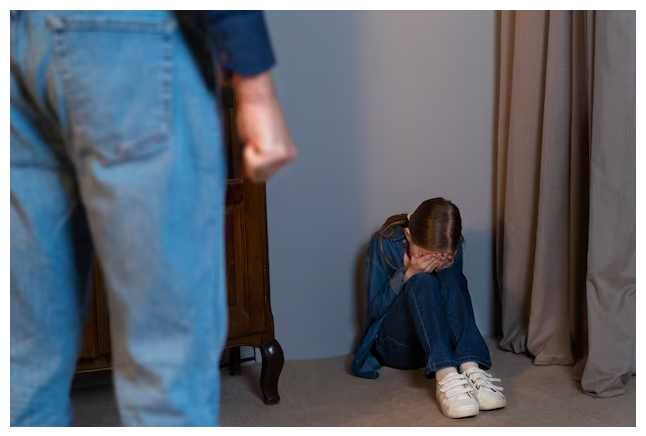
For survivors seeking justice, these institutional barriers and reporting challenges make specialized legal representation particularly crucial, often requiring attorneys familiar with both juvenile justice systems and sexual abuse litigation.
Types of Sexual Abuse in Juvenile Detention
Sexual abuse within juvenile detention facilities manifests in multiple disturbing forms, each causing profound trauma to young victims already navigating difficult circumstances. First of all, understanding these distinct abuse types helps survivors and their families recognize actionable offenses when consulting juvenile detention sexual abuse lawyers.
Physical Sexual Abuse
Physical sexual abuse in juvenile facilities encompasses explicit sexual acts forced upon detained youth. This includes completed rape, attempted sexual assaults, forced touching, and other physical violations. In confirmed cases between 2007-2012, approximately 18% of substantiated incidents involved nonconsensual sexual acts between youth, featuring force or threats of force and penetration. Notably, instances of abusive sexual contact—involving unwanted touching for sexual gratification—accounted for more than 35% of substantiated cases.
The severity varies widely, from forced penetration to coerced sexual touching. As documented in several lawsuits, some victims report being subjected to gang rapes by either staff or fellow detainees. In one particularly disturbing case from Illinois, a plaintiff identified as “K.J.” alleged being subjected to strip searches where he was “fondled, penetrated with a finger and forced to give and receive oral sex” at multiple facilities between ages 13-17.
Sexual Harassment and Coercion
Beyond physical assault, sexual harassment and coercion create hostile environments through verbal abuse, intimidation, and manipulation. Sexual harassment in these settings includes demeaning references to gender, derogatory comments about bodies or clothing, and repeated use of profane or obscene language with sexual undertones.
Coercive tactics frequently exploit the power imbalance inherent in detention environments:
- Offering rewards like extra food, recreation time, or privileges for sexual compliance
- Threatening punishment, segregation, or prolonged detention for refusal
- Using psychological manipulation, especially with vulnerable youth
Surprisingly, some facilities have documented patterns of staff using rewards to manipulate vulnerable youth. One investigation found nearly one in three victimized youth reported receiving gifts from staff prior to sexual assault, while approximately half stated their abusers sent them personal letters and photos.
Staff Misconduct and Abuse of Power
Staff misconduct represents the most prevalent form of sexual abuse in juvenile facilities, with an astonishing 80% of all sexual abuse in these settings perpetrated by staff members. In essence, this misconduct exploits the inherent power differential between authority figures and detained youth.
Staff sexual misconduct encompasses numerous behaviors, including romantic relationships, intentional touching of intimate areas, completed or attempted sexual acts, indecent exposure, invasion of privacy, and voyeurism. Approximately 13% of staff misconduct cases involved unwanted touching for sexual gratification, 9% involved pressure or abuse of power, and 6% involved indecent exposure, invasion of privacy, or voyeurism.
Equally important, staffers at all levels have been implicated in abuse cases, including correctional officers, counselors, teachers, chaplains, and medical personnel. One troubling pattern involves staff with minimal experience—nearly half of all staff-perpetrated incidents involved employees who had worked at facilities for one year or less.
To put it differently, juvenile detention sexual abuse represents not just individual criminal acts but systematic exploitation of vulnerable youth by those entrusted with their care. Understanding these distinctions is crucial for survivors pursuing justice through legal channels.
Historical Context and Evolution of Juvenile Detention Centers
The mistreatment of juveniles in detention facilities represents a deeply entrenched historical pattern rather than a recent phenomenon. Throughout American history, cycles of abuse, exposure, outrage, and ineffective reform have repeatedly played out behind the locked doors of youth correctional facilities.
Historical Patterns of Institutional Abuse
Institutional abuse of detained youth traces back to the early 19th century, when the first “Houses of Refuge” and “Training Schools” opened with stated missions of rehabilitation.

Despite their benevolent language, these early institutions subjected young people to horrific treatment, including “corporal punishments, solitary confinement, handcuffs, the ‘ducking stool’ for girls, and severe beatings”. Remarkably, this pattern of abuse has persisted across centuries despite countless investigations and promised reforms.
A comprehensive national review revealed that between 1970 and 2011, at least 52 lawsuits over conditions in state-funded youth corrections facilities resulted in court-sanctioned remedies addressing systemic problems with violence, physical or sexual abuse, or excessive use of isolation. Moreover, from 1970 through 2015, systemic mistreatment of confined youth was documented in 43 states plus the District of Columbia and Puerto Rico.
Key Cases That Brought Attention to the Issue
Several high-profile cases have periodically focused public attention on juvenile detention abuse:
- 2007 Texas Youth Commission Scandal – An investigation revealed widespread sexual abuse of boys at the West Texas State School, leading to sweeping agency restructuring and facility closures
- 2015 Lincoln Hills/Copper Lake Schools – Law enforcement raided these Wisconsin facilities after investigations uncovered rampant abuse, neglect, sexual assaults, and excessive force
- 2017 Florida “Fight Club” Scandal – The Miami Herald exposed staff organizing fights between detained youth, rewarding them with honey buns, and engaging in widespread sexual abuse
Recently, waves of lawsuits have emerged as states extended or eliminated statutes of limitations. In Maryland alone, over 500 former detainees have alleged abuse at a single facility, with some cases dating back to the 1960s.
Systemic Failures and Reform Efforts
Despite recurring scandals, meaningful reform has proven elusive. The Juvenile Justice and Delinquency Prevention Act (JJDPA), passed in 1974, established the Office of Juvenile Justice and Delinquency Prevention and created core requirements for youth detention. Subsequently, the Prison Rape Elimination Act (PREA) passed unanimously in 2003, representing the first federal legislation specifically addressing sexual abuse in confinement settings.
Nevertheless, as Rep. Bobby Scott, an original PREA co-sponsor, noted, sexual victimization was historically “accepted as part of the sentence”. Although PREA standards were finalized in 2012, experts remain divided on their effectiveness. As one advocate observed, “PREA didn’t do enough to address the basic condition that causes people to be vulnerable to sexual abuse, which is imprisonment itself”.
Alternative approaches have shown promise in some jurisdictions. Missouri, for instance, replaced large juvenile prisons with smaller, less institutional facilities where staff receive specialized training in positive youth interaction. Additionally, evidence-based community programs with 24-hour caseworker support have demonstrated better outcomes than traditional incarceration.
Ultimately, juvenile detention sexual abuse lawyers face a system with deeply entrenched historical problems. While juvenile incarceration rates have declined 40% over a decade, the United States still incarcerates young people at rates far exceeding other nations, perpetuating cycles of abuse that require both legal accountability and fundamental systemic change.
Legal Framework for Survivors
Survivors of sexual abuse in juvenile detention face a complex legal landscape that has evolved substantially in recent years. The legal framework that governs these cases spans federal, state, and local jurisdictions, offering various pathways to justice depending on where and when the abuse occurred.
Federal Laws and Protections
The Violent Crime Control and Law Enforcement Act of 1994 (34 U.S.C. § 12601) serves as a cornerstone federal protection, authorizing the Department of Justice to investigate potential violations of children’s rights throughout the juvenile justice system. Under this law, federal authorities can examine rights violations during arrests, court proceedings, community diversion programs, probation, and detention facilities.
Alongside this legislation, the Civil Rights of Institutionalized Persons Act (CRIPA) allows federal review of conditions within youth detention facilities. When systematic problems are identified, the DOJ typically:
- Issues detailed letters describing the violations
- Attempts to reach agreements with state or local governments
- Files federal lawsuits if necessary to enforce compliance
The Juvenile Justice and Delinquency Prevention Act, initially passed in 1974 and most recently reauthorized in 2018, established the Office of Juvenile Justice and Delinquency Prevention to support state and local efforts to improve juvenile justice systems. The 2018 reauthorization (Juvenile Justice Reform Act) introduced significant amendments that became effective in October 2019.
State-Level Variations in Statute of Limitations – More Time for Survivors
In contrast to the federal framework, individual states have widely varying statutes of limitations that significantly impact survivors’ ability to seek justice. Recently, many states have dramatically extended or eliminated these time limits:
Washington State has extended its statute of limitations for childhood sexual abuse lawsuits. As of June 6, 2024, Washington completely eliminated the statute of limitations for civil claims of childhood sexual abuse occurring on or after that date. For earlier cases, survivors can initiate legal action within three years of the act causing injury or within three years of connecting the injury to the abuse.
Similarly, Maryland passed the Child Victims Act in 2023, which eliminated the 20-year statute of limitations on sexual abuse lawsuits against public and private entities. This law allows survivors to seek damages against state and local governments of up to $890,000 for each occurrence of abuse. For private institutions, the cap is even higher at $1.5 million per occurrence.
New York has likewise expanded access to justice through its Child Victims Act, allowing survivors who experienced abuse after January 2019 until age 55 to file lawsuits. The state also temporarily opened a “lookback window” for previously time-barred claims.
Recent Legal Developments Expanding Survivor Rights
Currently, legislatures in at least 15 states are considering bills that would expand the statute of limitations for child sex abuse cases. According to Child USA, which tracks child victim laws nationwide, more than a dozen states have already changed their laws since 2020 to give survivors more time to sue.
First and foremost, these legal changes have triggered unprecedented waves of litigation. In Maryland alone, an estimated 6,000 people have retained attorneys to file claims under the Child Victims Act, with new complaints continuously emerging. Likewise, in Washington, hundreds of former juvenile detainees have filed lawsuits alleging sexual abuse at state facilities, with one firm alone contacted by more than 1,000 potential claimants.
The financial implications of these expanding legal rights have been substantial. Washington State has already paid over $2 million to 10 plaintiffs alleging sexual abuse at the Green Hill School juvenile facility. For this reason, some states are now considering legislative changes to limit financial liability. Maryland lawmakers, facing thousands of claims and a $3 billion budget gap, have proposed reducing damage caps from $890,000 to $400,000 per claim.
Above all, juvenile detention sexual abuse lawyers emphasize that beyond monetary compensation, these lawsuits seek accountability and systemic changes to protect future generations from similar abuses.
Our dedicated team of attorneys from Schmidt National Law Group can play a critical role in helping young abuse survivors seek justice for the harm that has been done to them. We help victims navigate the legal system and ensure that their rights are protected.
If you or someone you love is a survivor of abuse in any juvenile detention centers in any state, we encourage you to take action now, we intend to hold them responsible for the pain and suffering that occurred at their facilities. Use the 100% Secure intake form above, or call us direct at 1-800-631-5656.
How the Schmidt National Law Group Lawyers Can Help
Our specialized attorneys at the Schmidt National Law Group provide critical support for survivors of juvenile detention sexual abuse, offering expertise that bridges legal complexities with trauma-informed advocacy. Their specialized knowledge makes a crucial difference in achieving justice for those harmed while in state custody.
Navigating Complex Legal Processes
Fundamentally, juvenile detention sexual abuse lawyers help survivors understand their full range of legal options. An experienced attorney explains rights and processes involved in pursuing justice, including how to:
- File reports with oversight authorities such as state correctional boards
- Submit complaints to law enforcement when appropriate
- Initiate civil litigation against responsible parties
- Maintain confidentiality through anonymous filings when legally permitted
Most importantly, attorneys manage all communications with facility representatives, governmental entities, and court officials—creating a protective buffer for survivors who’ve already endured institutional harm.
Building Evidence in Institutional Abuse Cases
Collecting evidence in institutional abuse cases presents unique challenges. Specialized lawyers typically:
- Conduct thorough investigations within juvenile facilities
- Issue subpoenas for institutional records, complaint reports, and personnel files
- Secure witness statements from other detainees, staff, or medical personnel
- Review security footage when available
- Coordinate with forensic experts and psychologists
In fact, lawyers can help overcome documentation challenges, as many juvenile detention centers failed to maintain proper records or actively concealed abuse reports. Even when survivors cannot identify their abusers by name—a common obstacle—attorneys can still build compelling cases.
Addressing Unique Challenges of Juvenile Cases
Attorneys handling juvenile detention abuse cases tackle several distinctive challenges:
First, they navigate recently expanded statutes of limitations that have transformed the legal landscape. States across America have passed laws extending or eliminating time limits for childhood sexual abuse lawsuits, with numerous states introducing retroactive provisions.
Second, they help survivors who often face uncertainty about available options given the systemic nature of abuse they experienced. Specialized lawyers advocate for clients’ best interests throughout every phase of legal proceedings.
Finally, they address the complex trauma experienced by survivors. Given that sexual abuse trauma can lead to PTSD, depression, anxiety, difficulty forming relationships, and disrupted education paths, experienced attorneys connect clients with appropriate support resources during legal proceedings.
Potential Compensation for Survivors
Securing financial justice for survivors represents a crucial component of the healing process after experiencing sexual abuse in juvenile detention facilities. Through civil litigation, survivors can obtain both monetary compensation and systemic changes that help prevent future abuse.
Types of Damages Available
Juvenile detention sexual abuse lawyers typically pursue several categories of compensation for survivors:
- Compensatory damages cover tangible losses, including therapy costs, medical expenses, and lost wages resulting from trauma-related difficulties maintaining employment
- Pain and suffering compensation acknowledges the emotional anguish, psychological harm, and ongoing trauma experienced by survivors
- Punitive damages may be awarded in cases involving particularly egregious conduct, designed to punish perpetrators and deter future abuse
Nominal damages, though minimal in amount, can provide symbolic recognition of rights violations even when substantial economic loss cannot be proven.
Typical Settlement and Award Ranges
Recent years have witnessed unprecedented compensation in juvenile detention abuse cases. Most notably, Los Angeles County reached a record-breaking $4 billion settlement for approximately 6,800 plaintiffs who experienced sexual abuse in juvenile detention centers and foster care shelters. This landmark agreement dwarfs previous institutional abuse settlements, including the $2.46 billion Boy Scouts of America case.
Meanwhile, state laws establish varying compensation limits. In Maryland, survivors can seek damages against state and local governments up to $890,000 per occurrence, though lawmakers have proposed reducing this cap to $400,000. California sexual abuse lawsuits typically resolve between $600,000 and $2 million, with jury verdicts potentially exceeding $10 million when institutions ignored warning signs.
Non-Monetary Remedies and Institutional Changes
Beyond financial compensation, civil lawsuits frequently prompt crucial institutional reforms:
- Policy improvements – Including enhanced background checks, staff training, and increased oversight
- Accountability mechanisms – Such as dedicated abuse reporting hotlines and expedited investigations
- Public acknowledgment – Formal recognition of harm inflicted and institutional responsibility
Fundamentally, these non-monetary outcomes often carry immense weight for survivors, offering validation and closure while contributing to prevention efforts. As one attorney noted, “While no amount of money can erase the horrors they endured, this agreement acknowledges the profound harm inflicted on thousands of children”.
Steps for Survivors Seeking Justice
Pursuing justice after experiencing abuse in juvenile detention requires careful navigation of several critical steps. Knowing exactly what to do—and in what order—can substantially strengthen a survivor’s case while minimizing additional trauma.
Initial Legal Consultation Process
Firstly, contacting our experienced juvenile detention sexual abuse lawyer typically begins with a confidential consultation where survivors can share their experiences in a safe environment. These initial consultations are free of charge and conducted on a contingency fee basis. During this meeting, our lawyers assess the case, explain potential legal pathways, and outline whether filing anonymously as a “Jane Doe” or “John Doe” is possible to protect privacy. The attorney will clarify applicable statutes of limitations in your state, as these deadlines vary significantly.
Documentation and Evidence Gathering
Once representation is secured, the focus shifts to building a strong case. This process commonly involves:
- Collecting medical records and therapy documentation
- Gathering witness statements from other detainees or facility staff
- Reviewing security footage when available
- Filing formal reports with appropriate oversight agencies
Timing is crucial—evidence disappears and memories fade with passing time. Therefore, connecting with legal representation promptly remains vital even when abuse occurred years ago. In complex cases, our attorneys often work with forensic interviewers who are specially trained to document abuse accounts in legally sound ways.
Support Resources During Legal Proceedings
Throughout legal proceedings, survivors benefit from specialized support services. National helplines provide 24/7 confidential crisis support, including the National Sexual Assault Hotline (800-656-HOPE). Many attorneys coordinate with victim advocates who guide survivors through the legal process and connect them with appropriate resources. Moreover, trauma-informed therapy can help manage the emotional challenges of revisiting painful experiences. The Prison Rape Elimination Act (PREA) Resource Center offers additional reporting options and survivor-focused materials to support the healing journey.
Our dedicated team of attorneys from Schmidt National Law Group can play a critical role in helping young abuse survivors seek justice for the harm that has been done to them. We help victims navigate the legal system and ensure that their rights are protected.
If you or someone you love is a survivor of abuse in any juvenile detention centers in any state, we encourage you to take action now, we intend to hold them responsible for the pain and suffering that occurred at their facilities. Use the 100% Secure intake form above, or call us direct at 1-800-631-5656.
State-level Reforms Must Happen at Juvenile Detention Facilities
Sexual abuse in juvenile detention facilities remains a serious crisis affecting thousands of young lives each year. Though recent legal developments have expanded survivors’ rights and access to justice, many still struggle with the lasting impact of institutional abuse.
Specialized juvenile detention sexual abuse lawyers serve as crucial allies, helping survivors navigate complex legal processes while pursuing both monetary compensation and systemic changes. Recent landmark settlements, including Los Angeles County’s $4 billion agreement, demonstrate growing accountability for institutional failures.
State-level reforms continue expanding legal options through extended statutes of limitations and enhanced protections. These changes enable more survivors to seek justice, regardless of when abuse occurred. Additionally, non-monetary remedies like policy improvements and enhanced oversight help prevent future abuse.
Ultimately, survivors deserve support in their journey toward healing and justice. Professional legal guidance, combined with appropriate mental health resources and advocacy services, provides essential tools for moving forward. The path to recovery may seem daunting, but survivors need not walk it alone.