
The Silent Crisis: Sexual Abuse in Arizona Youth Residential Treatment Centers
By Attorney Martin Schmidt – July 10, 2025
Sexual abuse in youth residential treatment centers is a harrowing issue that has plagued Arizona for years. These facilities, intended to provide care and rehabilitation for vulnerable youth, have instead become sites of trauma and exploitation. The statistics are alarming: a staggering number of reports indicate that abuse is not just an isolated incident but a pervasive problem within these institutions.
Today any survivors of child sexual abuse involving any Youth Residential Treatment Center (YTC) in Arizona has a few options for reporting the assault. If you or someone you know is the victim of sexual assault while incarcerated, report potential abuse in Arizona Youth Residential Treatment Centers, individuals can file a grievance via email to: https://www.azchildwelfare.gov
Your next step is to contact our team of child abuse lawyers at the Schmidt National Law Group that can walk you through the legal process to file an abuse claim against any YTC anywhere in Arizona. Use the 100% Secure Claim Form below, or contact us at 1-800-631-5656.
Mingus Mountain Academy Abuse Lawsuits
Located in Prescott Valley, Arizona, Mingus Mountain Academy stands out as the youth residential treatment center with the most reported abuse lawsuits in recent years.
- Multiple Lawsuits and Allegations: Mingus Mountain Academy is currently facing a major lawsuit involving 13 former residents who allege repeated and severe sexual abuse by staff members between 2011 and 2022. The lawsuit describes “unspeakable horrors” and claims that staff members, sometimes acting together, sexually assaulted residents, used excessive force during restraints, and retaliated against those who reported abuse.
- History of Violations: Since January 2022, Arizona state health regulators have cited Mingus Mountain Academy 40 times for deficiencies, including failures to follow policies on restraints and supervision, resulting in injuries and inappropriate staff conduct. These violations have led to fines and regulatory action.
- Federal Investigation: The facility’s operator, Vivant Behavioral Healthcare, is at the center of a multi-year U.S. Senate investigation into systemic abuse at youth residential treatment centers. A Senate report specifically names Mingus Mountain Academy and details incidents of neglect, abuse, and unsafe conditions.
- Ongoing Legal Action: As of early 2025, more than a dozen alleged victims have filed lawsuits against Mingus Mountain Academy, and additional lawsuits are expected.
Abuse Allegations at Acadia’s Oasis Behavioral Health
Oasis Behavioral Health Hospital in Arizona, operated by Acadia Healthcare, has been identified as one of several juvenile residential treatment centers in Arizona with a history of sexual abuse allegations. This facility is part of Acadia Healthcare’s network, which has faced widespread scrutiny for alleged abuse across multiple locations.
Pattern of Allegations Against Acadia Facilities
Acadia Healthcare, the largest stand-alone behavioral health services provider in the U.S., has faced numerous lawsuits and investigations concerning alleged abuse at its facilities. While specific details about Oasis Behavioral Health are limited, Acadia’s facilities have been accused of:
- Sexual abuse and rape of patients
- Inappropriate physical restraints
- Emotional abuse
- Excessive medication as punishment
- Holding patients against their will
- Manipulating insurance for longer patient stays
Acadia has faced significant legal ramifications for abuse allegations. In 2023, a jury ruled against Acadia in a civil lawsuit involving sexual abuse of a minor, requiring the company to pay $405 million. Later that year, they agreed to pay an additional $400 million to settle three other abuse cases.
Recent Regulatory Changes in Arizona
Arizona has implemented new regulations aimed at better protecting youth in residential treatment centers, including enhanced oversight, mandatory staff training, and clearer reporting protocols. However, the effectiveness of these measures depends on rigorous enforcement and ongoing commitment to prioritizing the safety of vulnerable youth.
The Impact on Young Victims
Imagine being a child seeking help, only to find yourself in a place where safety is a mere illusion. Victims of sexual abuse in these centers often carry the emotional and psychological scars long after the abuse has ceased. One survivor shared, “I went there for help, but I left feeling more broken than ever.” Such personal accounts underscore the devastating impact of abuse, leading to lifelong struggles with trust, self-worth, and mental health.
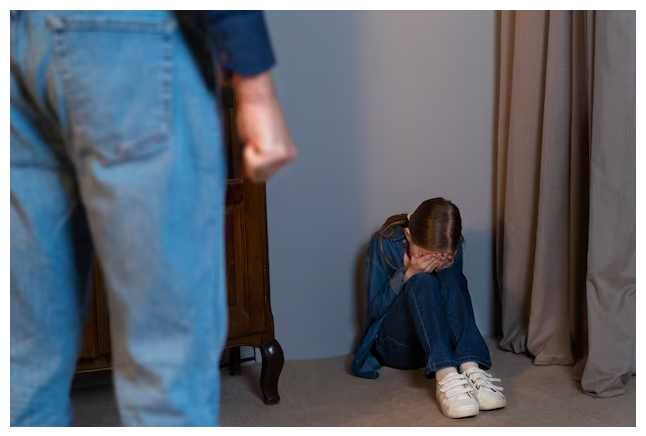
Our dedicated team of attorneys from Schmidt National Law Group can play a critical role in helping young abuse survivors seek justice for the harm that has been done to them. We help victims navigate the legal system and ensure that their rights are protected.
Are you a survivor of abuse in a Youth Residential Treatment Center in Arizona?
Arizona Youth Residential Treatment Center Abuse
Systemic Failures in Arizona’s Youth Residential Treatment Centers: A Closer Look
The systemic failures within Arizona’s youth residential treatment centers have come under scrutiny, particularly in light of recent investigations into facilities like Devereux Advanced Behavioral Health, Southwest Key Programs, Quail Run Behavioral Health, Palo Verde Behavioral Health, Sonora Behavioral Health Hospital, Oasis Behavioral Health Hospital, and VisionQuest National. These cases reveal a troubling pattern of neglect and insufficient oversight, where allegations of abuse were either ignored or inadequately addressed. The lack of accountability creates an environment where perpetrators can thrive, while victims remain voiceless.
Recent Legal and Policy Changes in Arizona
In response to the growing outcry and mounting evidence of abuse, Arizona has implemented new regulations aimed at safeguarding youth in residential treatment centers. These regulations focus on enhancing oversight, mandating training for staff on recognizing and preventing abuse, and establishing clearer reporting protocols. While these changes are a step in the right direction, the effectiveness of these regulations will depend on rigorous enforcement and a commitment to prioritizing the safety of vulnerable youth.
Prevention Strategies: Supporting Victims
To combat the crisis of sexual abuse in these centers, it is crucial to establish robust victim support programs. These programs should not only provide immediate assistance to survivors but also focus on long-term recovery and empowerment. Community involvement is essential—by raising awareness and supporting advocacy efforts, we can help create a safer environment for all youth.
As we reflect on the troubling reality of sexual abuse in Arizona’s youth residential treatment centers, it is imperative that we take action. We must hold institutions accountable, support survivors, and advocate for policies that prioritize the safety and well-being of our children.
Most Common Questions Related to Arizona Youth Treatment Center Abuse Lawsuits
How the Schmidt National Law Group Lawyers Can Help
Our specialized attorneys at the Schmidt National Law Group provide critical support for survivors of Youth Residential Treatment Center sexual abuse, offering expertise that bridges legal complexities with trauma-informed advocacy. Their specialized knowledge makes a crucial difference in achieving justice for those harmed while in state custody.
Join the fight against child sexual abuse. Together, we can create a future where every child feels safe and supported. For more information on how you can help, visit Arizona Child Welfare or contact local advocacy groups dedicated to this cause.
Page: Arizona Youth Residential Treatment Center Sex Abuse Lawsuits Updated on July 10, 2025.