
Attention: The Schmidt National Law Group is no longer accepting these cases.
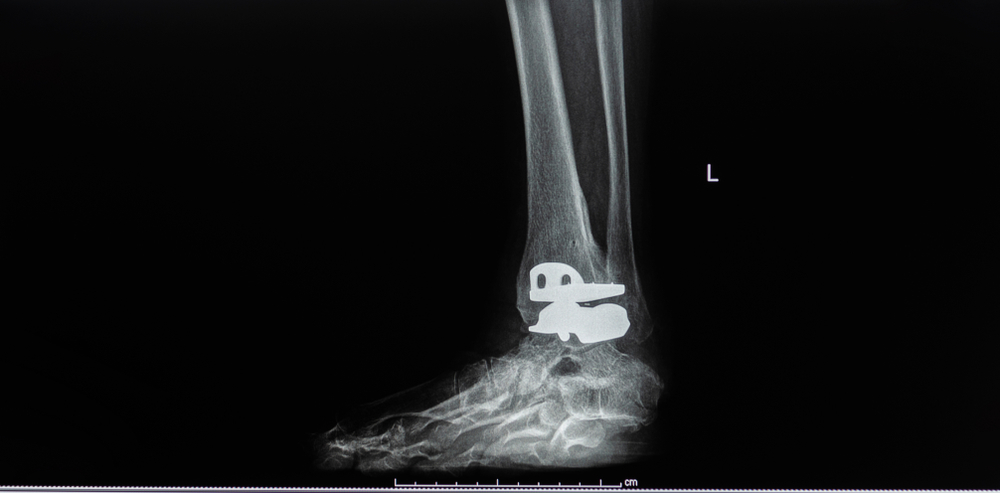
The Scandinavian Total Ankle Replacement (STAR™ Ankle) by Stryker has been a popular choice for patients suffering from painful ankle conditions. However, recent reports have raised concerns about the device’s plastic components breaking, leading to severe complications and the need for additional surgeries.
The defective medical device lawyers at Schmidt National Law Group are now accepting these injury claims. Use the 100% secure form on this page.
On this page, we’ll discuss the background of Stryker’s STAR Ankle, the issues surrounding device breakage, potential symptoms, and legal options for those affected.
Legal Options for Patients with Stryker STAR Ankle Breakage Injury
Patients who have experienced complications related to Stryker’s STAR Ankle may be eligible for compensation. Legal options include:
Filing a Stryker STAR Claim:
Affected patients can file a claim against the manufacturer, Stryker, for compensation related to medical expenses, pain and suffering, lost wages, and other damages. Start by using the 100% secure form on this page, or call us direct at 1-800-631-5656.
Seeking Legal Assistance from the Schmidt National Law Group
It’s essential for patients and clients to consult with our team of experienced attorneys who specializes in medical device litigation. Our top legal professionals can help navigate the legal process, gather evidence, and present a strong case for compensation.
A Brief Overview of Stryker’s STAR Ankle
The STAR Ankle is a non-cemented implant designed to replace a painful arthritic ankle joint caused by osteoarthritis, post-traumatic arthritis, or rheumatoid arthritis. This artificial joint was granted Premarket Approval (PMA) by the FDA in May 2009, with the expectation that Stryker would conduct post-approval studies to monitor its performance and adverse event reports.
FDA Warning on Device Component Breakage
In March 2021, the FDA issued a safety communication warning about the risk of the plastic component of the STAR Ankle breaking (FDA Article – March 15, 2021). This followed an earlier safety communication in 2019, where Stryker disclosed more than 100 reported implant fractures.
Post-Approval Studies and Adverse Event Reports
The FDA required Stryker to conduct two post-approval studies to assess the performance and adverse event reports of the STAR Ankle. By the eight-year mark of these studies, the plastic component’s fracture rate was 13.8%, with all fractures necessitating surgical intervention to remove or replace the device. The FDA’s analysis identified at least 1,841 adverse event reports, including 300 fractures.
Factors Contributing to STAR Ankle Breakage
Several factors may contribute to the breakage of the STAR Ankle’s plastic components. These include:
Component Thickness
Devices with thinner plastic material (6mm) are more likely to experience fractures compared to those with thicker components (7mm-9mm).
Material Degradation
Increased polyethylene oxidation, either before or after implantation, may weaken the plastic components and lead to fractures.
Surgeon Learning Curve and Component Malalignment
Improper alignment of the components during surgery, as well as a surgeon’s learning curve, may contribute to the risk of device breakage.
Patient Factors
Patients under the age of 55 and those with higher activity levels are at an increased risk of experiencing fractures due to greater physical strain on the implant.
Identifying a Potential STAR Ankle Breakage Case:
Patients or clients may have a case if they meet specific requirements or have experienced the following ankle discomfort:
Age and Activity Level
Those under the age of 55 are at increased risk of fracture due to the likelihood of being more physically active than their older counterparts.
Ankle Discomfort
Any new or worsening pain, inability to bear weight, a new grinding or similar noise, and/or instability may indicate a potential fracture.
X-Ray and CT Scan Results
An X-Ray may reveal a component fracture. If the X-Ray proves negative for a fracture but there’s still discomfort, a CT Scan may be performed for a closer look.
Device Size
If the device is thinner in plastic material (6mm), a fracture is more likely to occur, as compared to thicker components (7mm-9mm).
Symptoms of STAR Ankle Replacement Degradation or Fracture
Patients who have a STAR Ankle implant should be closely monitored for any signs of degradation or fracture. Symptoms may include:
- Increased pain
- Inability to bear weight on the ankle
- The onset of grinding or other noises in the operated ankle
- Worsening instability in the replaced ankle
Those who have experienced a significant fracture may also experience severe pain, inflammation, soft tissue injuries and blistering, loss of mobility in the ankle, and possible damage to the metal components in the ankle requiring total ankle replacement.
Reporting STAR Ankle Issues to the FDA
The FDA encourages doctors and patients who suspect or experience problems with the Stryker STAR Ankle Replacement devices to file a voluntary report through MedWatch, the FDA Safety Information and Adverse Event Reporting program.

Injured from a broken Stryker STAR Ankle?
Stryker’s STAR Ankle has been a popular choice for those suffering from painful ankle conditions. However, the recent FDA warning and ongoing post-approval studies have raised significant concerns about the device’s plastic components breaking.
Patients and healthcare providers should be vigilant in monitoring for symptoms of degradation or fracture and consider legal options by filing a claim with our law firm if complications arise. Act now 1-800-631-5656.
Stryker STAR Ankle recall lawsuit page updated on May 31, 2023.