
How the Cost of War Toxic Exposure Fund, Camp Lejeune Justice Act, and PACT Act Helps Military Vets

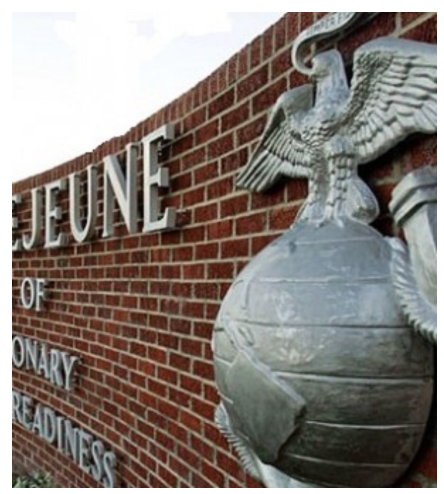
The Camp Lejeune Justice Act is proposed legislation to help military veterans and their families who suffered from adverse health effects after living at Camp Lejeune in North Carolina. The Act is a revival of the Camp Lejeune Families Act of 2012 that allowed victims with specific cancers and other injuries associated with ingesting polluted water to get cost-free health care through the VA. The water source for the Camp Lejeune military base was found to be contaminated for decades with toxic substances known as VOCs. Veterans and their families may be suffering from numerous health conditions after being exposed to the contaminated water. The Camp Lejeune Justice Act is meant to streamline the health claims process for service members, contractors, and family members who were living on base between 1953 and 1987.
What happened with the Camp Lejeune Justice Act?
The Camp Lejeune Justice Act was ultimately passed in to law as part of the Promise to Address Comprehensive Toxics (PACT) Act. The legislation was expanded to cover numerous other health problems that veterans and their family members suffered due to being exposed to a variety of dangerous conditions. The PACT Act covers victims of Camp Lejeune’s toxic water and many other health conditions thought to arise from other toxic chemical exposure.
What is the Promise to Address Comprehensive Toxics (PACT) Act?
The PACT Act will: Ensure veterans can receive high-quality health care screenings and services related to potential toxic exposures, the PACT Act expands access to VA health care services for veterans exposed during their military service. For post-9/11 combat veterans, the bill extends the period of time they have to enroll in VA health care from five to ten years post-discharge. For those combat veterans who do not fall within that window, the bill also creates a one-year open enrollment period. These expansions mean that more veterans can enroll in VA health care without having to demonstrate a service connected disability.
The PACT Act codifies VA’s new process for evaluating and determining presumption of exposure and service connection for various chronic conditions when the evidence of a military environmental exposure and the associated health risks are strong in the aggregate but hard to prove on an individual basis. PACT requires VA to seek independent evaluation of this process as well as external input on the conditions it will review using this framework. The new process is evidence-based, transparent, and allows VA to make faster policy decisions on crucial exposure issues. This new process has already fundamentally changed how VA makes decisions on environmental exposures and ensures more veterans have access to the care they need.
To better understand the impact of toxic exposures, the PACT Act requires VA to conduct new studies of veterans who served in Southwest Asia during the Gulf War and analyses of post-9/11 veterans’ health trends. The new law also directs the Secretary of Veterans Affairs to convene a new interagency working group to develop a five-year strategic plan on toxic exposure research.
Does the PACT Act include the Camp Lejeune Justice Act?
Yes. The PACT Act broadly covers specific health conditions presumed to have been caused or contributed to by exposure to toxic conditions while serving in the military. The Camp Lejeune Justice Act specifically addresses health conditions presumed to have been caused or contributed to specifically from exposure to the toxic drinking water at Camp Lejeune in North Carolina.

Who can make a Camp Lejeune victim claim?
Any veteran, family member of a veteran, or civilian contractor who resided at the Camp Lejeune military base in North Carolina for a period of 30 days or longer any time between August 1,1953 and December 31,1987 when the drinking water on base was presumed to be contaminated. If you have any questions or would like assistance from our firm to help you submit a claim under the Camp Lejeune Justice Act, please call 1-800-631-5656 and a case manager can provide you with more information. Or use our 100% secure Camp Lejeune Claims Form Here.
What health problems are veterans stationed at Camp Lejeune experiencing?
The health conditions associated with exposure to toxic VOCs in drinking water include blood cancers like leukemia and lymphoma, organ cancers like kidney and liver cancers, heart disease, liver disease, kidney disease, Parkinson’s disease, infertility, birth injuries, and other neurological conditions.
Who can make a claim under the PACT Act?
The PACT Act extends the period for post-9/11 combat veterans to enroll in VA health care from five years to 10 and also includes a one-year open enrollment for combat veterans who fall outside that time frame. In addition to expanding benefits for post-9/11 veterans, the agreement broadens coverage for Vietnam-era veterans exposed to Agent Orange. Specifically, it would add Thailand, Cambodia, Laos, Guam, American Samoa and Johnston Atoll to the list of places where veterans were exposed to Agent Orange and so can get coverage.
Post-9/11 veterans who served in these locations are presumed to have been exposed to burn pit toxins: Afghanistan, Djibouti, Egypt, Jordan, Lebanon, Syria, Uzbekistan, Yemen — and any airspace above these locations.
What health conditions does the PACT Act cover for veterans?
The legislation removes the need for certain veterans and their survivors to prove service connection if they are diagnosed with one of 23 specific conditions. This list includes 11 respiratory related conditions, along with several forms of cancer, including reproductive cancers, melanoma, pancreatic cancer, kidney cancer, and brain cancers such as glioblastoma. Survivors of veterans who died due to one of these conditions may now also be eligible for benefits.
How much funding is available under the PACT Act?
$667 Billion over 10 years
What is the Cost of War Toxic Exposure Fund?
$278.5 billion over a decade, according to a new estimate from the Congressional Budget Office.
How do I make a Camp Lejeune victim claim?
Certain conditions must be met for military veterans to qualify for a claim. All claims require specific forms to be completed and submitted to proper departments. Among the forms required are the Standard Form 180 (Request for Military Personnel Records) and the Standard Form 95 (Claim for Injury). Due to the complexity of the requirements and expected number of claims submitted, many choose to hire a “no out of pocket fee” legal professional to help submit a claim request properly. If you require assistance from a legal professional to help you submit a claim request properly, please call us at 1-800-631-5656, or email us at help@nationalinjuryadvocates.com.
Please Note: This will not affect your VA benefits or disability. A new 2022 law enacted may allow victims to recover significant cash compensation from these water contamination lawsuits.
How do I make a PACT Act claim?
You can file a claim for PACT Act-related disability compensation or apply for VA health care if you have other specific health conditions (caused by burn pits, Agent Orange, toxic fumes, etc.) not associated with Camp Lejeune. The PACT Act essentially created or extended already existing disability benefits for these conditions. Because of this, the VA will be working directly with veterans. To proceed with a claim inquiry, call 800-698-2411 or go here: https://www.va.gov/resources/the-pact-act-and-your-va-benefits. If you still have questions, please call us at 1-800-631-5656.
Were there specific areas at Camp Lejeune more affected by the water contamination?
The areas identified in the original study that identified the toxic VOC water contamination were identified as:
- Hadnot Point
- Tarawa Terrace
- Holcomb Boulevard
- Courthouse Bay
- Rifle Range
- Onslow Beach
- Montford Point/Camp Johnson
- New River
What types of cancers are related to this water contamination?
There are many specific cancers identified based on the known physiological reactions to VOC exposure and/or consumption, however, we are investigating ALL blood and organ cancers at this time.
Are there other non-cancer health conditions linked to VOCs?
Yes. Other than blood cancers and organ cancers, we are investigating the following presumed health conditions:
- Scleroderma (skin hardening)
- Heart Disease
- Heart Damage
- Liver Disease
- Liver Damage
- Kidney Disease
- Kidney Damage
- Parkinson’s Disease
- Neurological Injuries
- Neurobehavioral Injuries
- Infertility
- Miscarriage
- Birth Injuries
If you have any questions or would like professional help to submit a claim under the PACT Act or Camp Lejeune Justice Act, please call us at 1-800-631-5656, or send an email to help@nationalinjuryadvocates.com. Our professional legal staff can assign you a case manager trained to assist injured veterans better understand the newly passed legislation, who may qualify for a claim, and the required forms necessary to submit your claim.